History did not stop when the object was made.
Follow seven evidence-rich stages through Egyptian museum collections—from workshop decisions and everyday use to excavation, conservation and the case you see today.
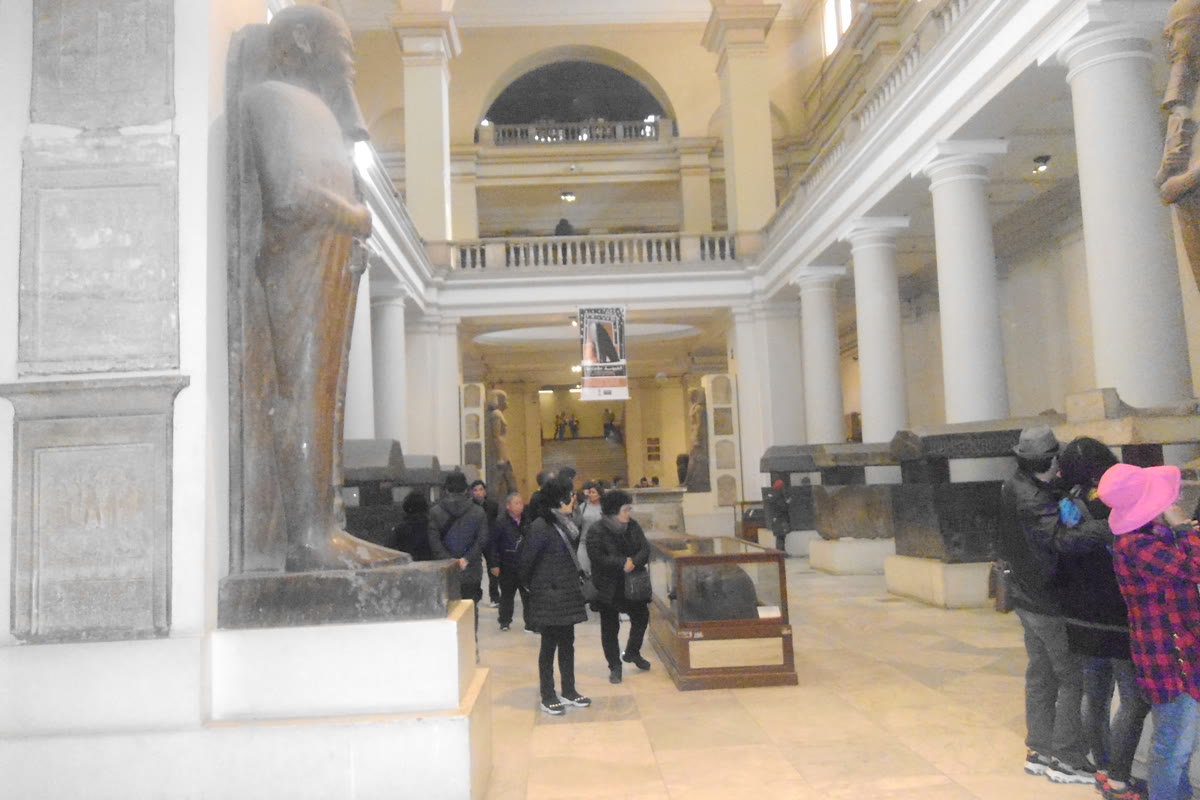
Seven moments.
Seven kinds of evidence.
A date and title identify a museum object. A biography explains how it changed, moved and acquired new relationships.
Follow the relay
Read in order or enter at the stage your label makes visible.
See the decisions inside making
Tools, joins, unfinished areas and repeated forms turn an object into evidence for organized work.
Read stage ↗02USEDRecover use without inventing a scene
Wear, ergonomics, contents and setting can suggest action when interpretation stays proportional to evidence.
Read stage ↗03PLACEDRead deposition as an action
Burial, offering, storage, loss and discard create contexts; they are not neutral pauses before discovery.
Read stage ↗04REUSEDFollow the second life
Modification, relocation and reinterpretation show how later communities worked with inherited material.
Read stage ↗05FOUNDTreat discovery as a documented event
Excavation methods, records, labour and older collecting systems shape what a museum can now explain.
Read stage ↗06CARED FORKeep conservation in the story
Examination, treatment, mounting and preventive care determine what survives and what visitors can see.
Read stage ↗07SHOWNRead display in the present tense
Cases, labels, lighting and sequence create a modern argument around ancient and historic evidence.
Read stage ↗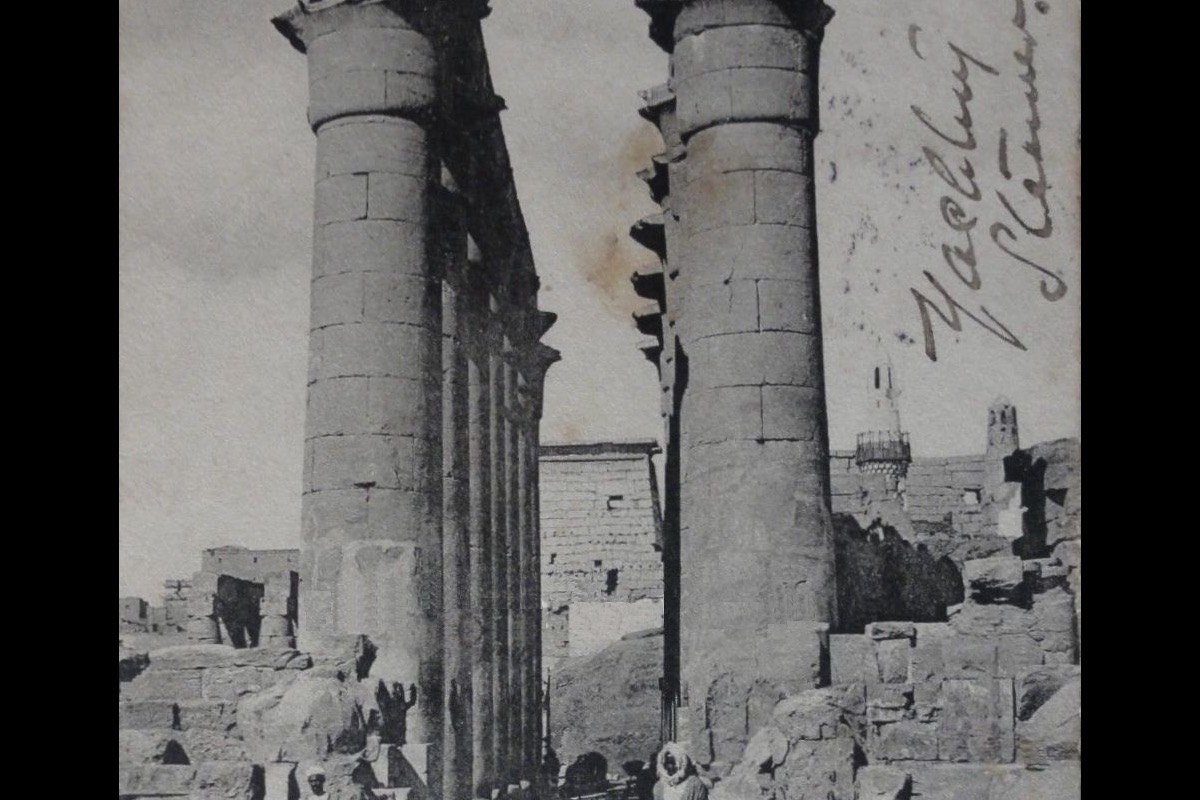
Discovery is not a jump cut.
Excavation method, field records, conservation and collection transfer determine what the museum can responsibly say. A spectacular object with missing context may answer fewer questions than a modest documented fragment.
Read the discovery stage →Use institutions as different clocks
Compare museum timescales
Collection history, civilization narrative and specialised material fields.
Open guide ↗NILE VALLEYReconnect object and landscape
Luxor and Aswan through findspot, movement and regional display.
Open guide ↗ALEXANDRIATrack urban transitions
Languages, coastlines and layered museum contexts.
Open guide ↗Observe
Describe physical evidence before accepting a complete story.
Timestamp
Give ancient dates, discovery dates and display dates separate lines.
Qualify
Keep “probably,” “reported from” and missing evidence visible.
Verify
Use inventory numbers and current institutional sources.
We teach a method. Museums control current access.
No live hours, ticket checkout, affiliate links or claim of affiliation. Practical details belong to official sources reviewed 29 July 2026.
Open official sources →