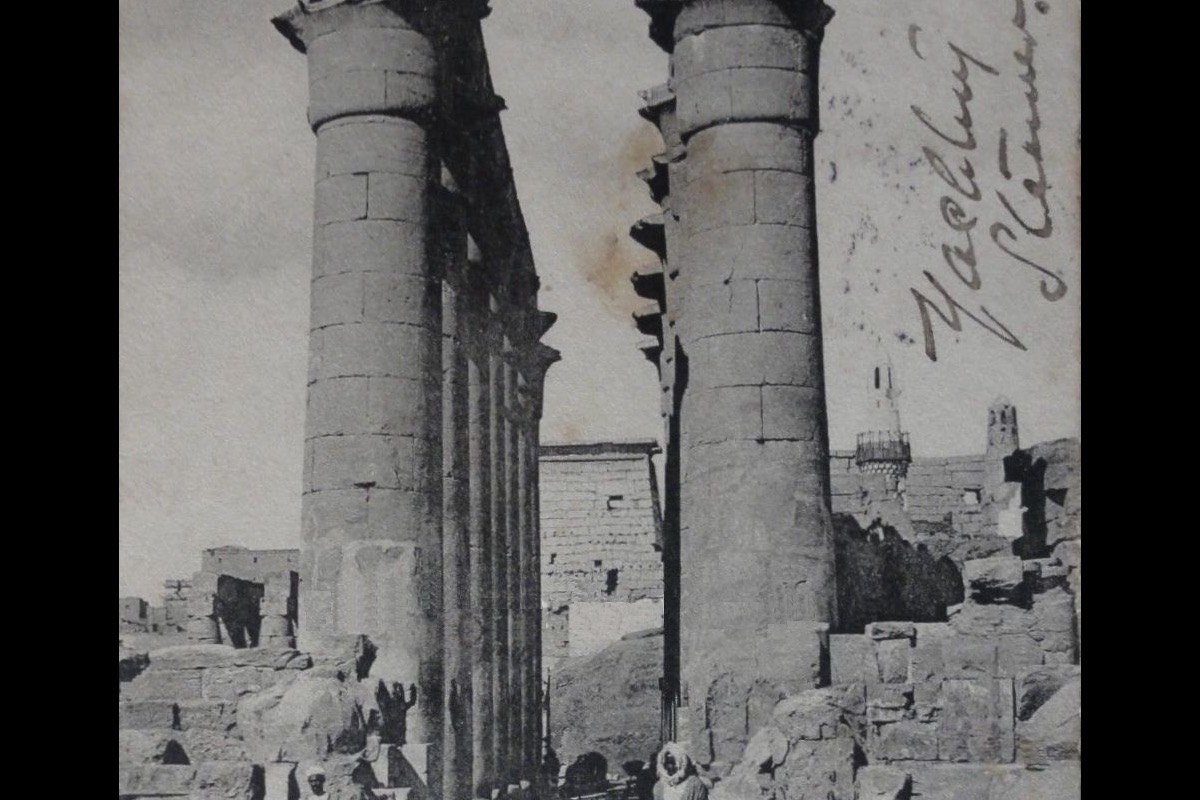
Discovery does not remove an object from history; it begins a modern phase. Who found it, under what conditions, with which records and through which legal and institutional system affects everything that follows. A spectacular find without secure context can answer fewer questions than a modest fragment tied to a measured layer, drawing and archive.
Find the discovery date and method
Separate ancient date from excavation or acquisition date. Controlled excavation, chance discovery, clearance, purchase and confiscation create different records. Labels may compress this history, so use the inventory number to reach a catalogue. If the method is not stated, do not replace the gap with a romantic discovery story.
Look for the recording system
Plans, section drawings, photographs, notebooks, object registers and sample numbers connect an artefact to its context. The visible museum object is only one part of that evidence network. Ask which records survive and where they are held. A historic photograph also has a photographer, viewpoint and purpose; it is evidence, not a transparent window.
Restore excavation labour
Archaeological projects depended on excavators, foremen, specialists, photographers, conservators, administrators and local workers whose names are unevenly preserved. Avoid crediting a whole discovery to one celebrated director when institutional histories or archives identify a broader team. Where names are missing, acknowledge the record’s limitation instead of inventing them.
Understand changing methods
Early clearance could prioritize architecture and complete objects, while later stratigraphic excavation records layers, samples and small finds more systematically. Do not reduce this to a simple story of bad past and good present. Methods, laws, aims and resources changed, and older archives can still be critically re-examined. Date the evidence before judging what it can support.
Follow division and transfer
Excavated material may have moved through historical systems of allocation, national transfer, storage reorganization or museum loans. These routes need documented dates and authorities. Avoid assuming that present location directly reflects find location or that every movement had the same legal status. Provenance research works through specific records.
Notice what never entered the case
Soil samples, animal bones, pottery fragments, botanical remains and field documentation may stay in study collections or archives. They can explain chronology, diet, environment and activity even when less displayable. A gallery necessarily selects; ask which invisible evidence supports its claims.
Treat gaps as findings
Missing coordinates, lost registers and broad provenances limit interpretation. State the exact consequence: perhaps association, original room or excavation layer cannot be reconstructed. This is more informative than calling the object mysterious. Acknowledged limits guide future archival research and prevent style from pretending to restore context.
Build a discovery citation
Record museum, inventory number, findspot, excavator or project, year, method and the source of each statement. Leave blanks where the label is silent. The citation turns a memorable encounter into a traceable research starting point and keeps modern discovery inside the object’s biography.
Read historic photographs spatially
An excavation photograph can preserve object position, working sequence, equipment and people omitted from a final publication. Start with viewpoint, scale and caption; then compare it with the plan and register rather than treating it as self-explanatory. Objects may have been moved for photography, and captions can be later. Recording the archive reference and image date keeps this evidence traceable and allows different documents to correct one another.
Separate findspot from provenance
Findspot is the documented place of recovery. Provenance can also refer to earlier ownership, production origin or a broader history of custody, so the terms should not be swapped casually. A label that says only “from Thebes” may preserve less precision than an excavation number tied to a trench and layer. Copy the wording exactly, then identify which movement into the collection remains undocumented.
Keep ancient date, modern discovery date, treatment date and visit date on separate lines. Chronology is the structure, not decoration.
Primary sources reviewed 29 July 2026: Luxor Museum ↗ · Theban Mapping Project ↗. Displays and visitor conditions may change.