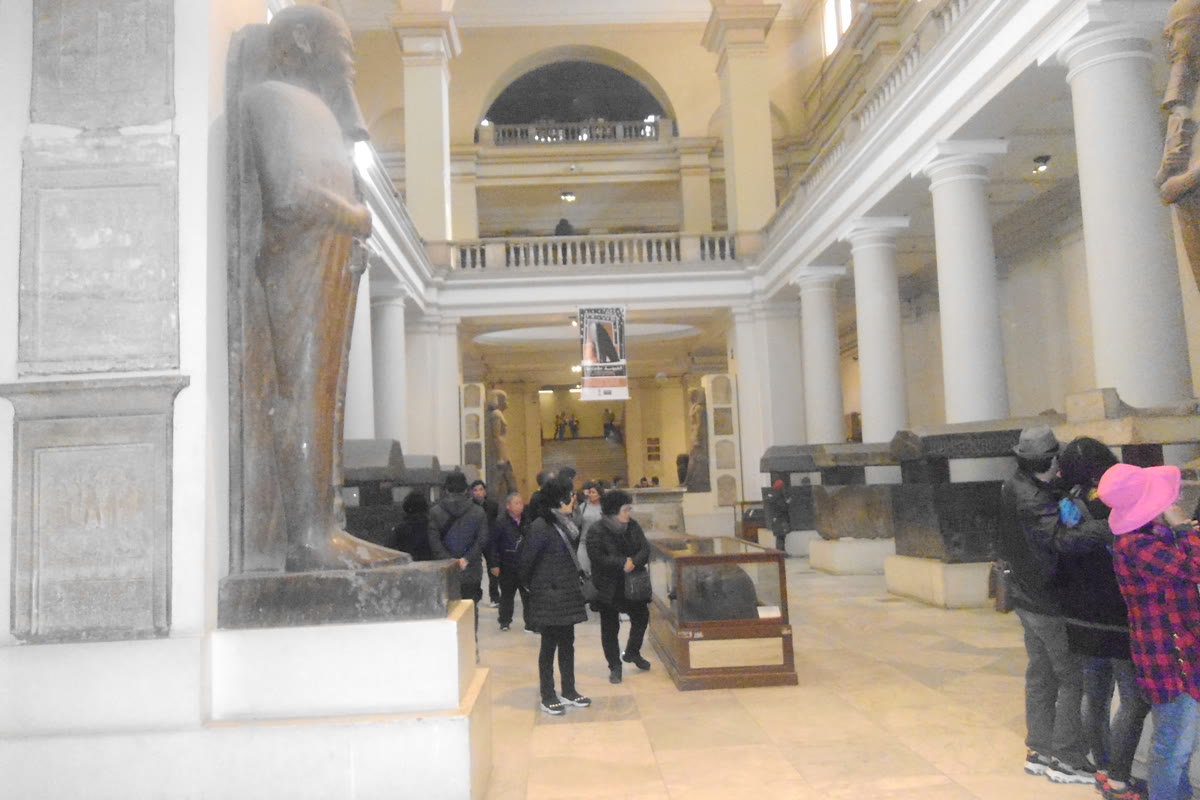
The museum case is the latest documented context, not a neutral frame. Selection, architecture, label hierarchy, mounts, light and neighbouring objects guide attention. Reading display does not mean dismissing it as artificial. It means identifying the modern choices that make evidence public and understanding what each choice clarifies or leaves outside the room.
Start at the threshold
Record the room title, first sight line and implied direction before studying one object. A chronological, thematic, regional or material sequence asks different questions. Architecture may reinforce the stated plan or create a second route. The first minute reveals how the display expects visitors to move and where it places emphasis.
Separate label levels
Introductory panels make broad claims; section labels organize groups; object labels identify individual records. Test one broad sentence against three objects. Which dates, materials, provenances or images actually support it? This method respects the curatorial argument while keeping its evidence visible.
Notice proximity
Objects placed together may share findspot, function, period, material or only a comparative theme. Do not assume an archaeological association from case arrangement. Read labels for the basis of grouping. A useful display can create a new comparison, but the museum relationship and ancient relationship should remain distinct.
Read light and empty space
Spotlighting, dark backgrounds and isolation can create a masterpiece encounter; dense cases can foreground typology and abundance. Neither is automatically superior. Ask what detail becomes visible, what context recedes and how long the arrangement encourages you to look. Conservation needs may also determine light levels.
Include the building
Historic and purpose-built museums set different limits on case size, circulation, climate and access. Stairs, windows and old galleries can themselves document museum history. Treat architecture as part of the current interpretation rather than a decorative shell around objects.
Observe visitor conditions
Crowding, seating, label height, language provision and accessible routes affect who can use a display. Describe conditions without photographing people without consent. An elegant case that cannot be approached or read produces a different public object biography. Access information can change and should be checked through official channels.
Date what you see
Record the visit date and, when given, the gallery or label date. Displays change as objects move, conservation rotates sensitive material and scholarship revises identifications. An undated photograph online should not be treated as a current inventory. The present tense needs a timestamp.
Close the biography
Write one sentence for each stage you can document: made, used, deposited, reused, discovered, conserved and displayed. Leave missing stages blank. The final line should name the museum and date of observation. This compact biography converts a beautiful object into a sequence of evidence without pretending every transition is known.
Compare label and object time
A label may have been written decades after excavation and may remain in use after catalogues revise a date or identification. Record the wording, visible qualifiers and any label or gallery date. Then use the inventory number to check the institution’s current record where available. Differences are not automatically errors: a public label, collection database and specialist publication can serve different audiences and update on different schedules. When they diverge, cite each source and its date instead of quietly combining the most convenient parts into one statement or hiding why the accounts differ.
Trace the missing senses
Cases protect objects but remove touch, weight, sound, smell and sometimes the view of a back or underside. Digital reconstructions, replicas and handling collections can restore selected information, yet they must identify what has been reconstructed. Note which sensory claim comes from direct observation and which from interpretation. This prevents a polished interactive element from seeming more certain than the physical and documentary evidence it is designed to explain.
Keep ancient date, modern discovery date, treatment date and visit date on separate lines. Chronology is the structure, not decoration.
Primary sources reviewed 29 July 2026: Egyptian Museum ↗ · NMEC ↗. Displays and visitor conditions may change.