A place guide should protect attention and document relationships, not promise a fixed checklist. Use the route below with current museum information.
Use proximity as evidence, not proof
Luxor Museum and the Nubia Museum sit near landscapes central to their collections, but a current regional location does not automatically reproduce ancient context. Record the exact findspot, archaeological feature and route into the museum. “Local” can describe discovery, production, theme or present stewardship, and those meanings should not be merged.
At Luxor, follow the cache and the site
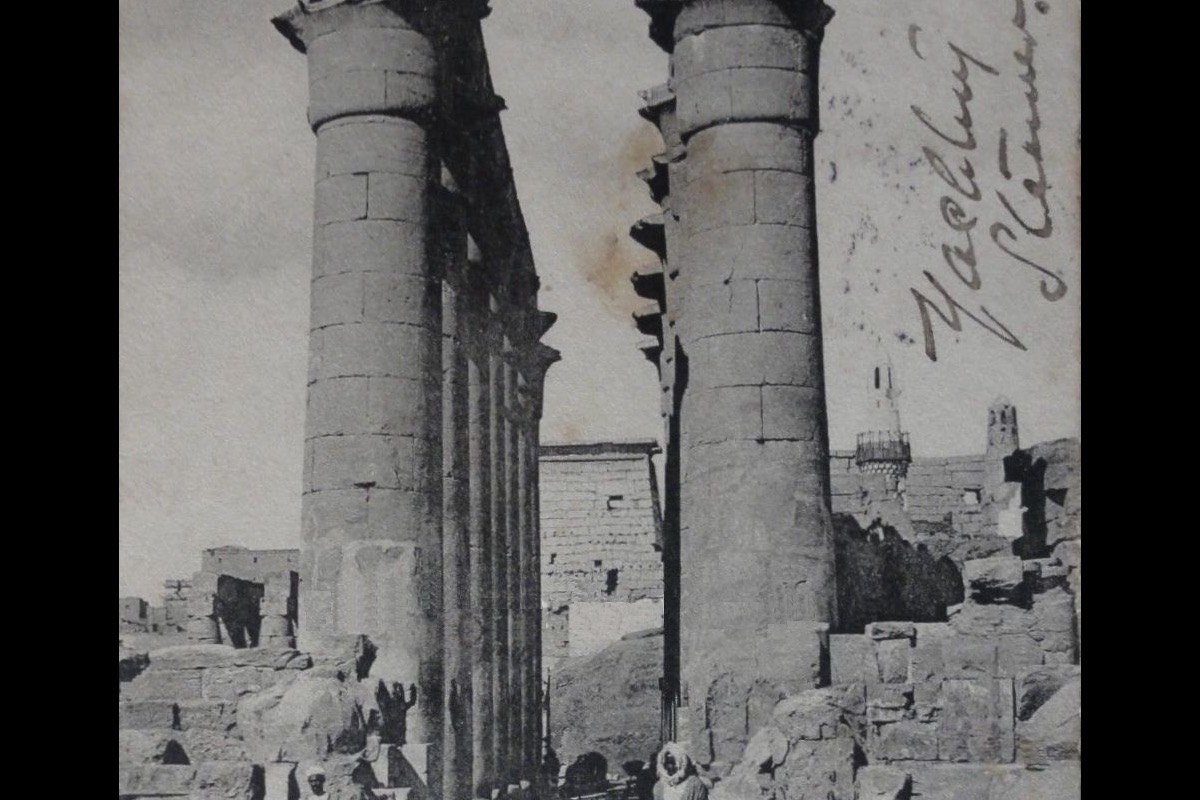
Museum displays can connect sculpture with Karnak, Luxor Temple and other Theban contexts. A group discovered together may contain objects with different earlier uses. Separate original setting, later deposition, modern discovery and current arrangement. Plans are especially useful when a monumental object once stood above or outside the viewer’s present eye level.
At Aswan, include displacement and rescue
The Nubia Museum can connect archaeology with landscape, languages, living culture and the history of monument rescue. International preservation achievements and community displacement caused by dam construction belong in the same modern biography. Identify whether a claim comes from excavation, institutional history or community testimony.
Treat river movement as infrastructure
Stone, people, administrative messages and finished objects moved along and across the Nile. Material source does not prove a complete route, so combine quarry evidence, inscriptions, findspot and comparative study. Modern museum transfer adds another movement and should be dated separately.
Balance monuments with small evidence
Tools, pottery, textiles, ostraca and environmental remains can explain labour and everyday systems that royal sculpture leaves out. Choose one small object with secure context and compare what it reveals with one monumental piece. Archaeological importance does not follow visual scale.
Plan for conditions that affect attention
Heat, transport, site distances and crowds change how accurately a visitor observes. Build fewer stops, rest and follow barriers and staff instructions. Confirm current museum access, photography and opening arrangements through the institution or public authority; this guide does not maintain live schedules.
Draw the movement line
Map production place, use setting, deposition, discovery, conservation location and current museum. Use solid lines for documented transfer and dotted lines for uncertainty. The map prevents the Nile Valley from becoming a timeless backdrop and keeps modern stewardship visible.
Separate ancient landscape from the modern route
Roads, river crossings, reservoirs, relocation projects and urban growth shape how sites and museums are connected today. Do not treat the visitor journey as an ancient map. Mark modern transfer and monument relocation with dates, then place documented ancient movement on another layer. The comparison makes infrastructure visible and prevents a convenient tourism circuit from becoming an unsupported historical route.
Use regional labels for research leads
Copy site names, excavation projects and inventory numbers from objects with secure local context. After the visit, consult the museum or public-authority record before a general image search. Exact identifiers help distinguish similarly named temples, tombs and caches. They also preserve the link between a museum object and a regional archive when gallery arrangements or temporary displays later change.
Record museum, gallery, inventory number and observation date before leaving the case.
Official sources reviewed 29 July 2026: Luxor Museum ↗ · Nubia Museum ↗ · UNESCO Nubian Monuments ↗. Visitor conditions may change.