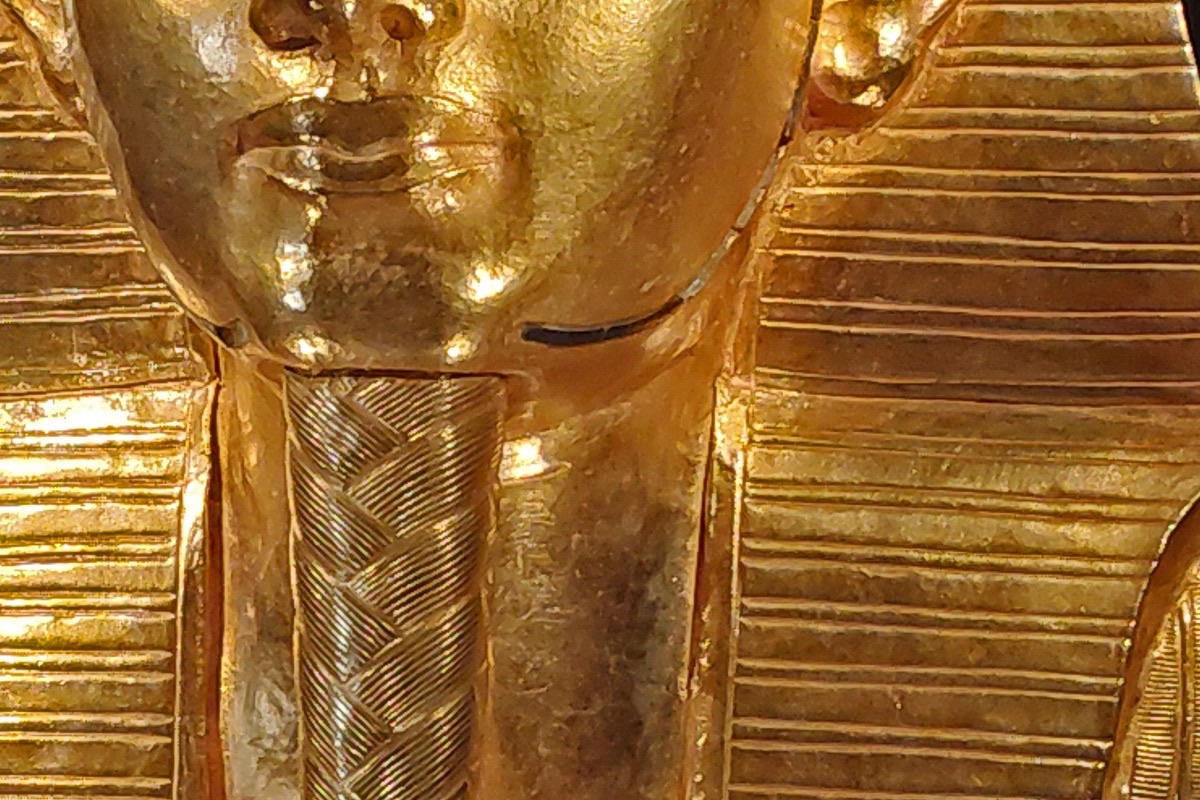
Objects enter archaeological contexts through deliberate placement, repeated accumulation, accidental loss, destruction, abandonment and later disturbance. “Found in a tomb” is only a beginning. Ask where inside, with what neighbours, in which layer and after what sequence of events. Deposition explains survival while also recording decisions made after manufacture and use.
Replace location with position
A site name can flatten precise context. Look for chamber, shaft, floor, foundation deposit, courtyard, pit, fill or settlement layer. Vertical and horizontal position can connect objects to architecture and one another. Copy qualifiers such as “probably” or “reported from.” They preserve the difference between excavated evidence and later attribution.
Distinguish primary and moved contexts
An object may remain where it was used or be swept, reused, robbed, redeposited or washed into a later layer. Archaeologists infer these processes through stratigraphy, break patterns, joins and associated material. A museum visitor should not diagnose them from appearance alone, but can ask whether the display identifies a primary context, secondary deposit or uncertain findspot.
Keep burial assemblages relational
Funerary objects gain meaning through arrangement, body, architecture and other goods. Isolating a gold mask or coffin can erase the broader group and its excavation history. Use plans and case groupings to restore relationships, while checking whether displayed neighbours were actually found together. A reconstructed assemblage should identify its evidential basis.
Treat value as contextual
Precious material attracts attention, yet plain pottery, food remains, textiles and seals may date a layer or clarify activity more securely. Do not rank archaeological importance by market value or visual completeness. Ask what each object contributes to chronology, function, identity and process. A small documented fragment may hold a stronger context than an unprovenanced masterpiece.
Notice ritual repetition
Deposits can accumulate through repeated offerings, rebuilding or commemoration rather than a single event. Similar forms at different levels may record continuity and change. Count, date and position matter. Avoid imagining one dramatic ceremony when the archaeological sequence indicates many actions over time.
Include disturbance
Ancient robbing, construction, groundwater, animals, modern excavation and earlier restoration can alter placement. Disturbance is not simply lost information; it can itself be dated and interpreted. Look for diagrams that separate original placement from later movement. When no sequence is provided, keep your reconstruction modest.
Connect deposition to preservation
Dryness, waterlogging, salts, pressure and sealed spaces affect what survives. Organic materials may be absent because conditions destroyed them, not because people never used them. Conversely, exceptional preservation can make one site seem more representative than it is. Conservation displays and excavation records help explain this survival filter.
Draw a context box
Sketch the object inside its feature, then add nearest associated finds, layer, date and later disturbance. Use dashed lines for reconstructed relationships. This small diagram prevents the museum case from becoming the object’s original world and shows which missing records would change your interpretation most.
Ask what the assemblage excludes
An excavation group is shaped by preservation, recovery method, publication and later collection history. Tiny beads, seeds, textile fragments or undecorated sherds may be absent from an older display even when field records mention them. Compare the case with a plan or catalogue where available. The difference does not make the gallery false; it shows which evidence was selected to make the deposit legible to a public audience.
Keep date ranges attached to layers
An object’s manufacture date and the date of the layer containing it can differ greatly. Heirlooms, reused pieces and residual fragments survive into later deposits, while intrusive material can enter earlier layers through disturbance. Copy the date assigned to the object and the context separately. If only one is stated, mark the other as unknown instead of assuming that every item in an assemblage was made for the final act of deposition.
Keep ancient date, modern discovery date, treatment date and visit date on separate lines. Chronology is the structure, not decoration.
Primary sources reviewed 29 July 2026: Egyptian Museum ↗ · Theban Mapping Project ↗. Displays and visitor conditions may change.